 Choosing a pool shape is one of the biggest decisions in any backyard pool project, and it impacts everything from how you swim to how the space feels. Two of the most popular options are lap pools and freeform pools, and while both can be fully customized, they’re designed with very different goals in mind.
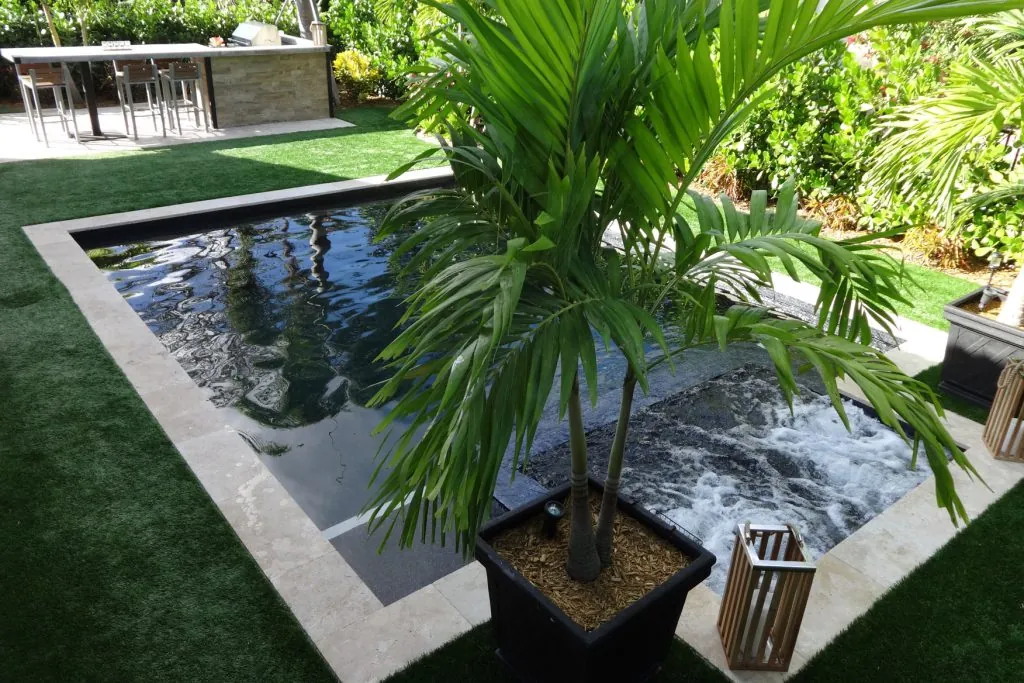
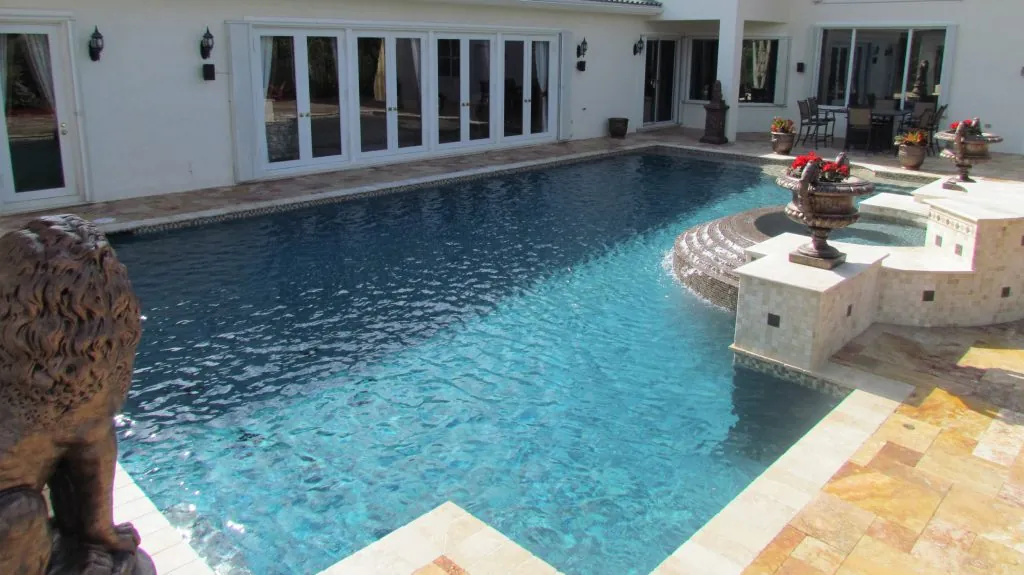
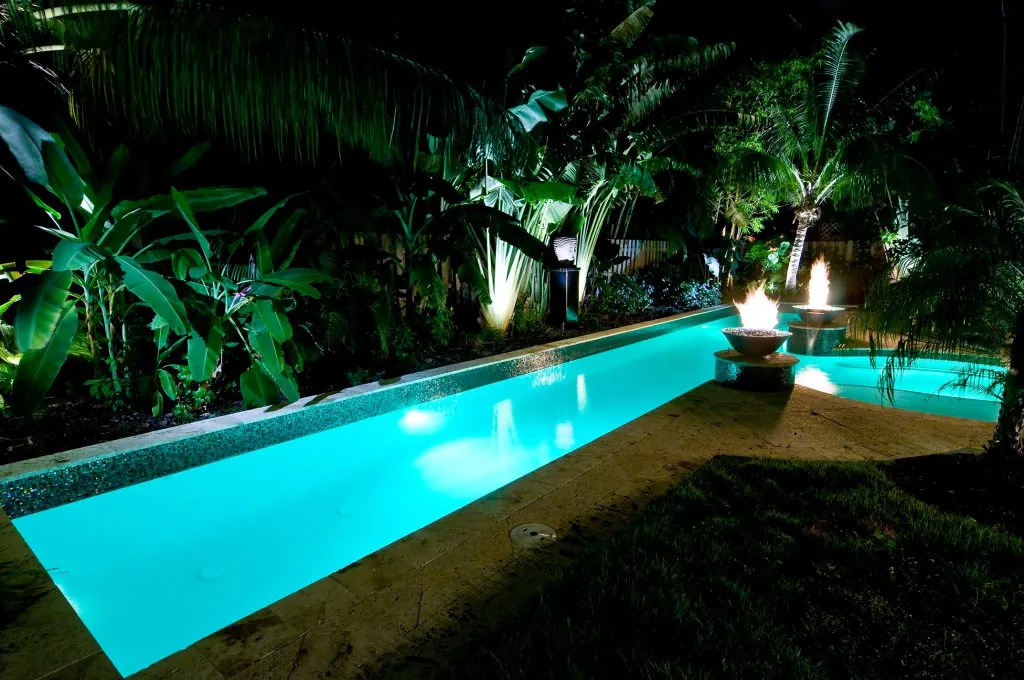
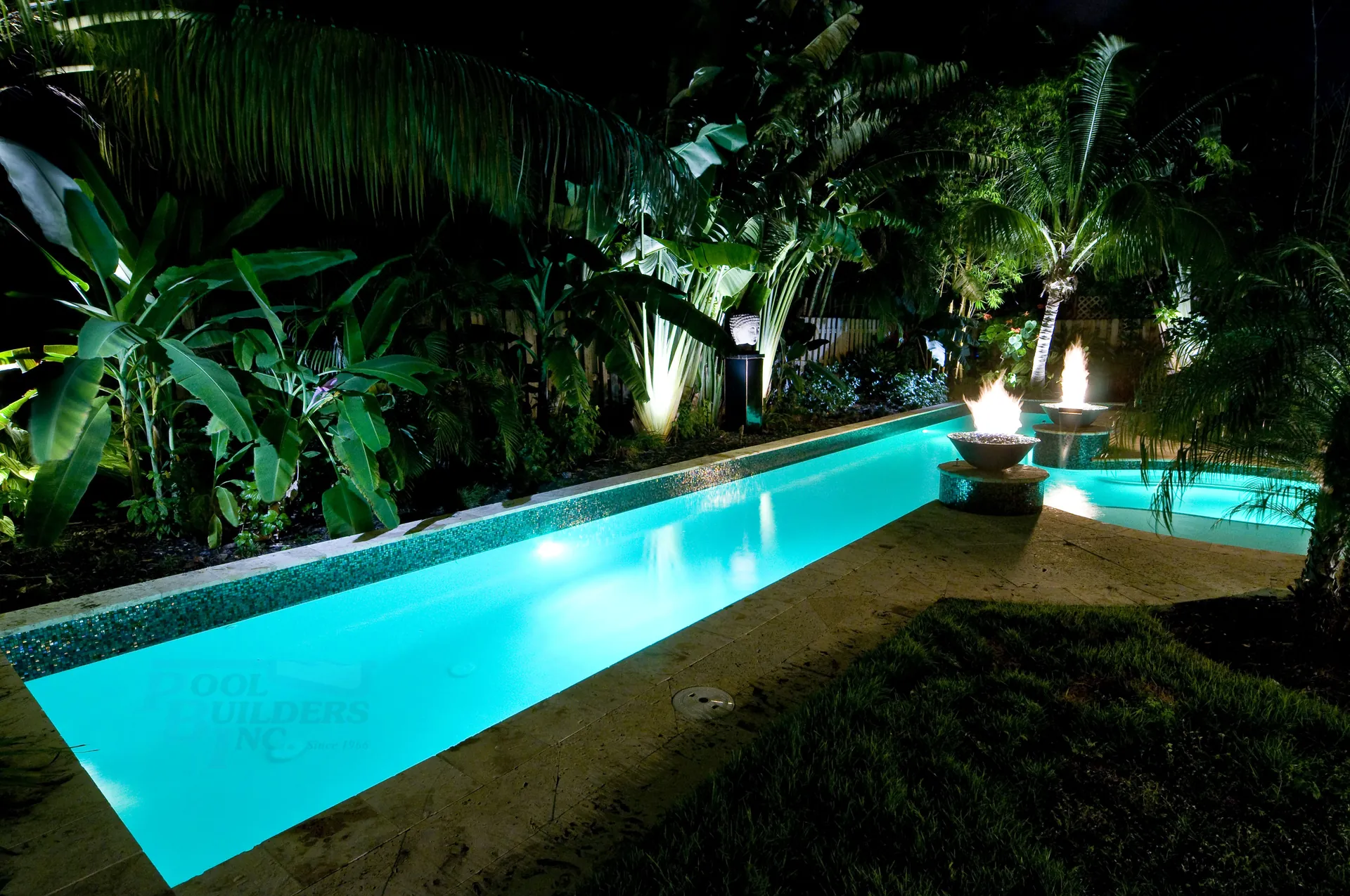
A lap pool is long, narrow, and rectangular, typically built to support continuous, uninterrupted swimming. Custom lap pools are often 30 to 75 feet long and just 8 to 10 feet wide, giving swimmers a clear, straight path from end to end. Because of their clean lines, lap pools tend to complement modern, contemporary, and minimalist home styles.
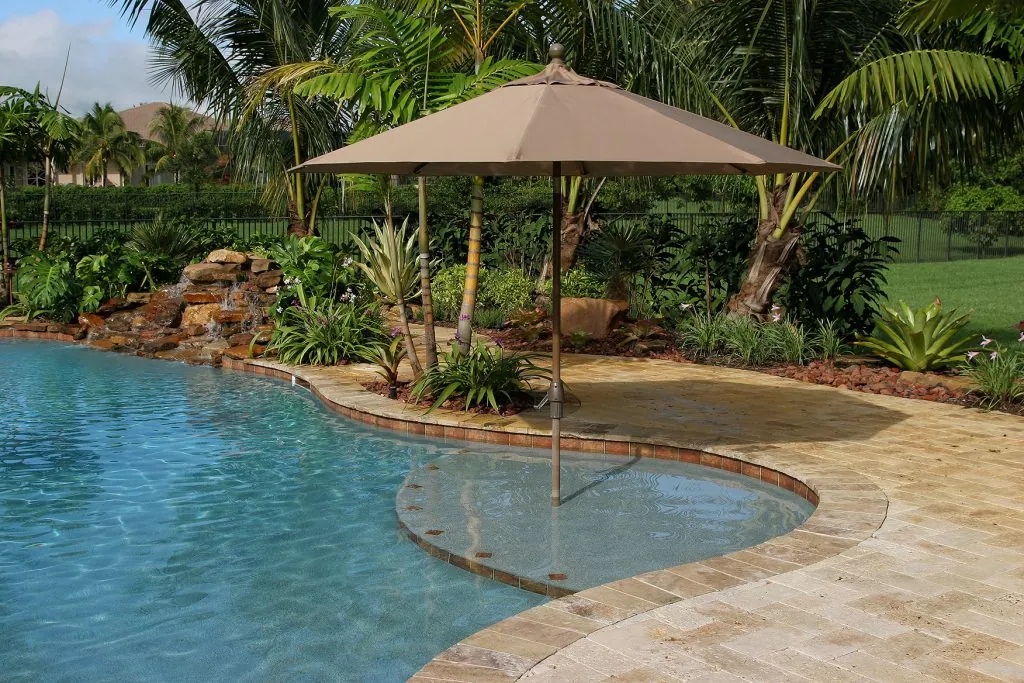
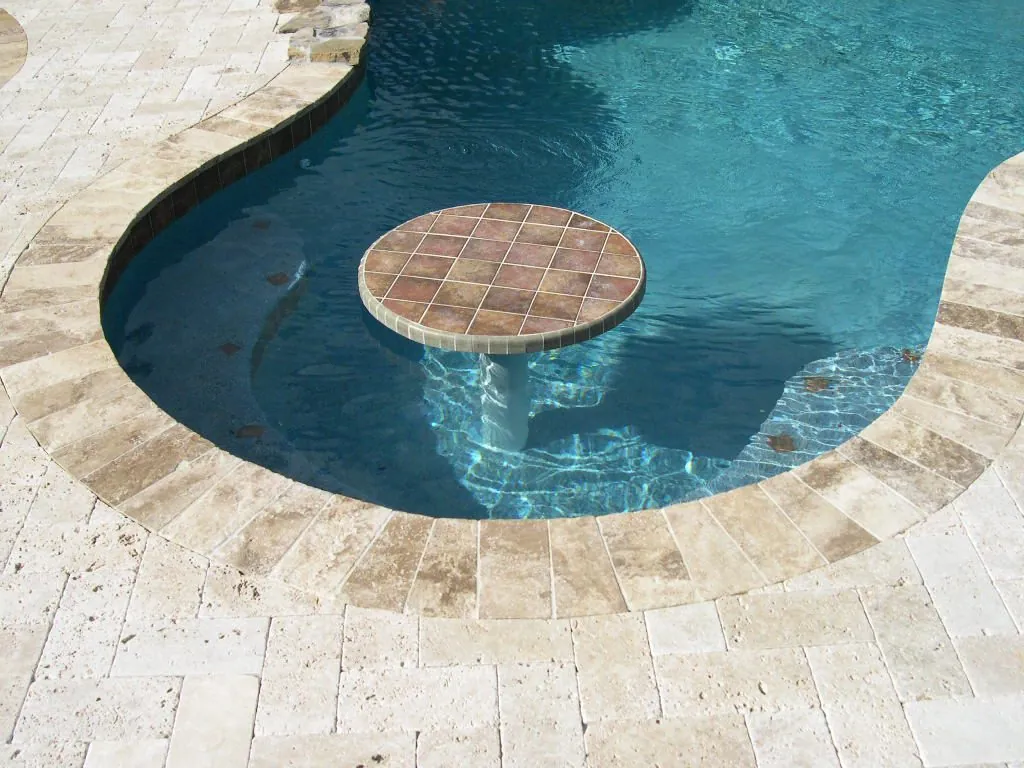
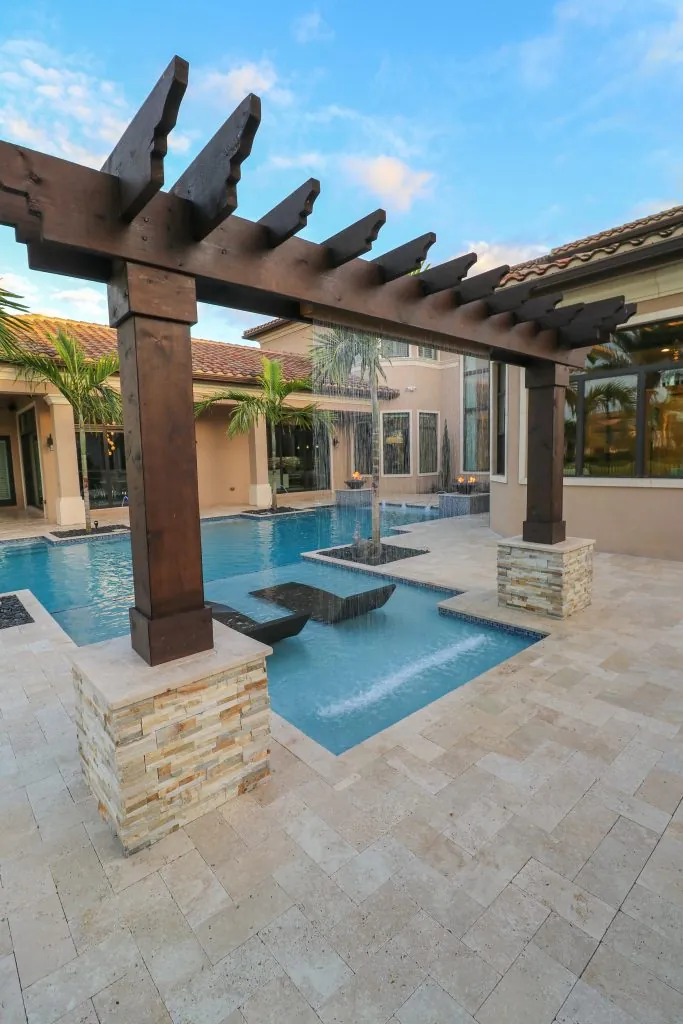
A freeform pool, on the other hand, takes its cues from nature. Instead of straight edges, freeform pools use curved, organic shapes that can be tailored to fit almost any backyard footprint. This flexibility makes freeform pools a favorite for homeowners who want their pool to blend into a natural-looking landscape rather than stand apart from it.
Which pool layout fits your lifestyle?
The right layout comes down to how you plan to use your pool day to day.
- Fitness and exercise: A lap pool’s straight, open design is ideal for swimming laps without interruption.
- Family recreation: Freeform pools often provide more usable width for games, floating, and general play.
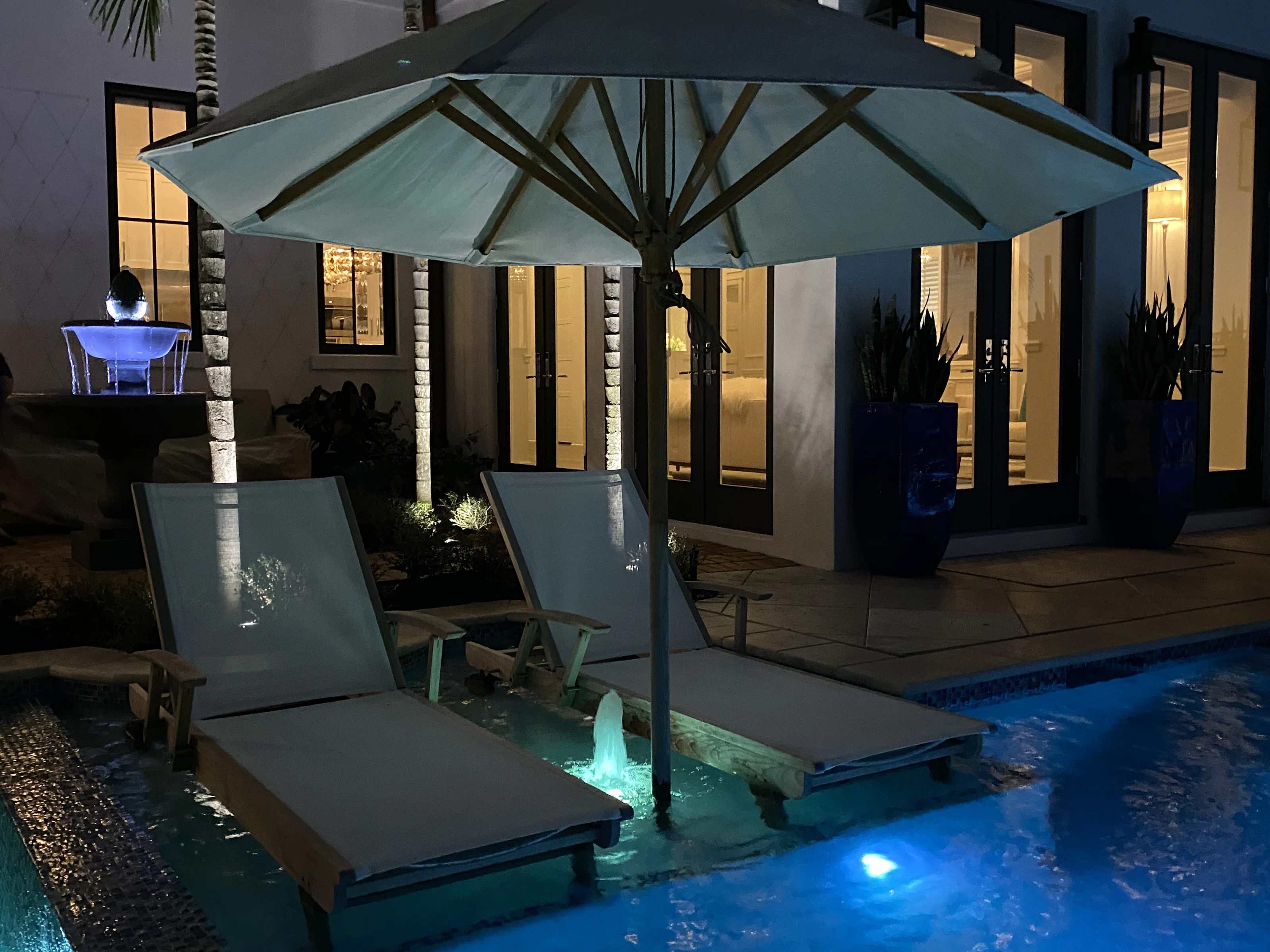
- Entertaining guests: Freeform shapes create natural gathering areas, while lap pools pair well with a separate lounge or spa zone.
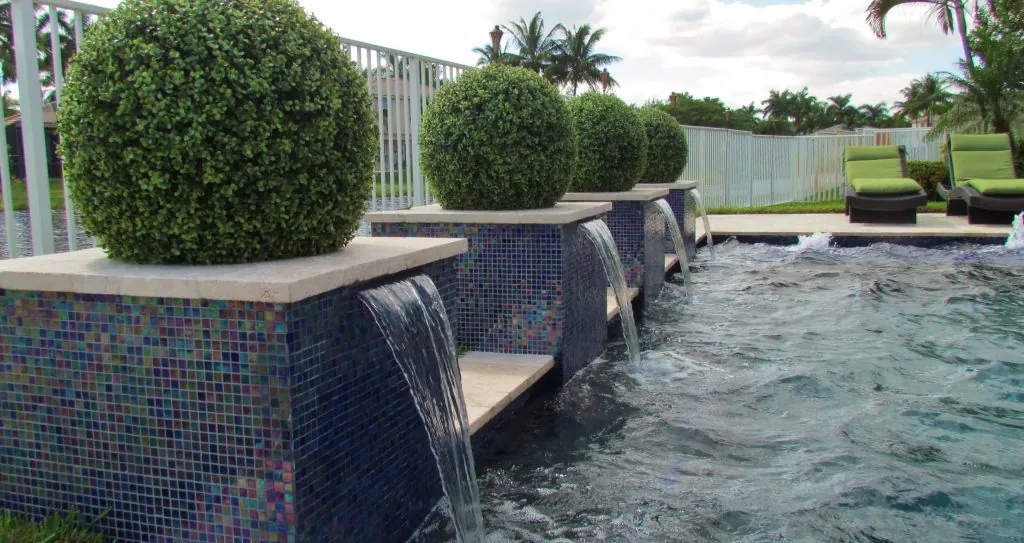
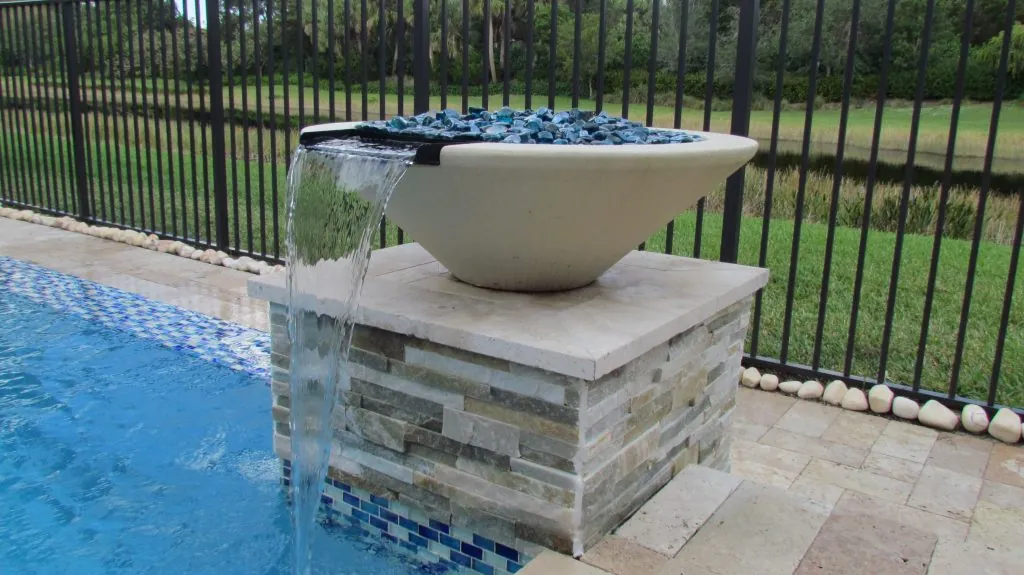
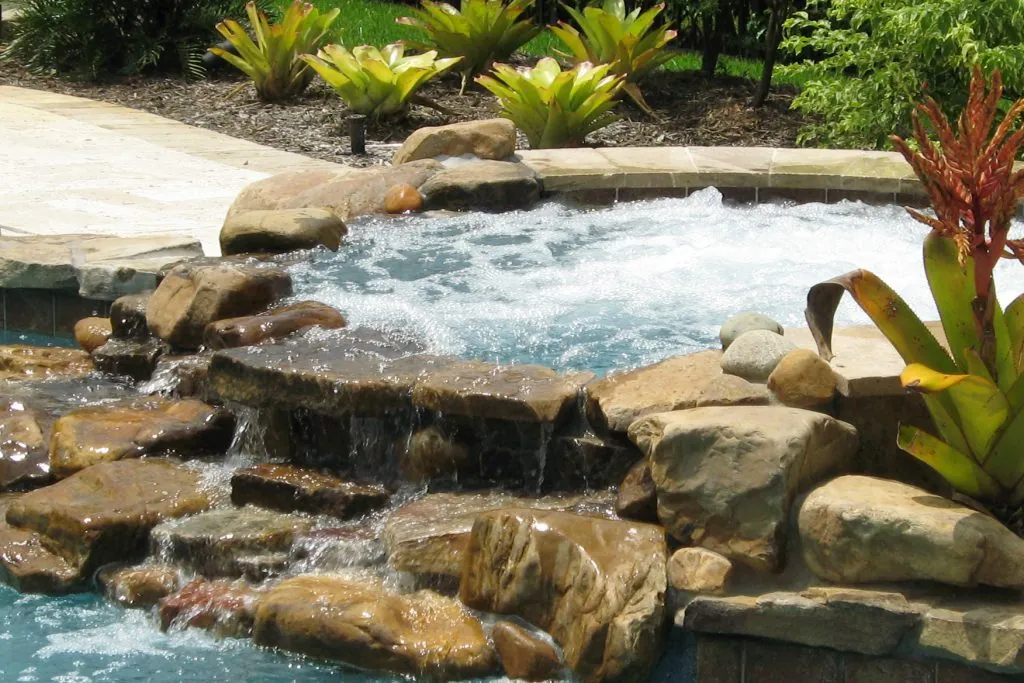
- Relaxation and aesthetics: Freeform pools tend to feel more resort-like, especially with waterfalls or rock features.
- Small or narrow backyards: Lap pools make efficient use of limited space along a fence line or property edge.
- Modern vs. natural-looking landscapes: Lap pools suit clean, architectural yards; freeform pools suit lush, garden-style landscapes.
Design, maintenance & cost considerations
Beyond looks, each pool shape comes with practical trade-offs worth discussing with your pool designer.
- Construction complexity: Freeform pools often require more detailed shaping and formwork than a straight-edged lap pool.
- Landscaping opportunities: Curved shapes integrate easily with plantings, boulders, and natural features.
- Cleaning and maintenance: Straight-edged lap pools are generally easier to clean and service due to their simple geometry.
- Decking and surrounding features: Lap pools pair well with linear decking, while freeform pools allow for varied, sweeping patio designs.
- Long-term flexibility: Both shapes can accommodate future additions like sun ledges, spas, or outdoor kitchens.
Cost depends far more on size, materials, features, and site conditions than on the shape you choose. Grading, drainage, and access to your property all play a role, which is why an experienced pool designer evaluates the whole site before recommending a layout.
Which pool is right for your backyard?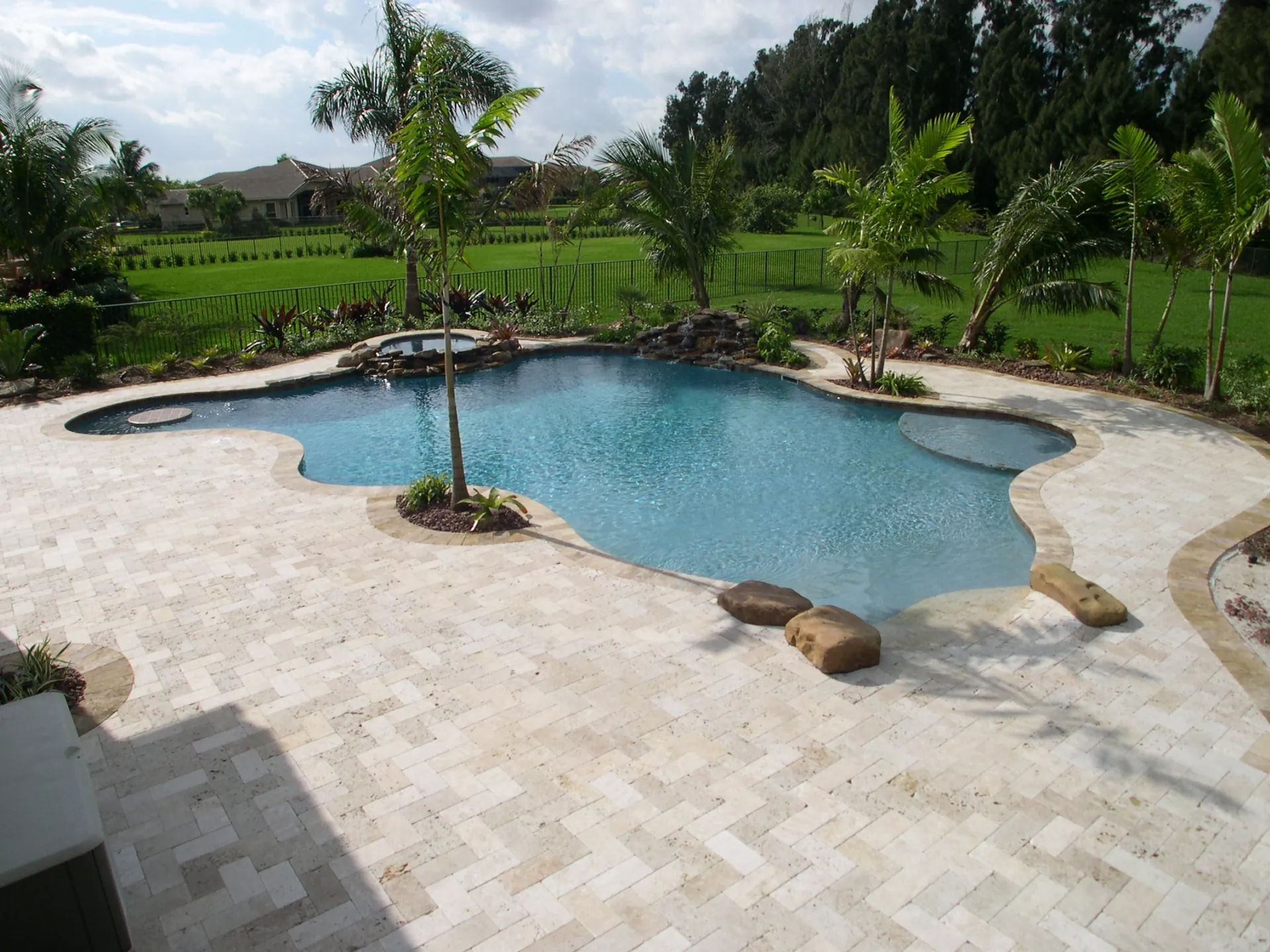
Choose a lap pool if you swim regularly, have a narrow yard, or prefer a modern, streamlined look.
Choose a freeform pool if you want a natural aesthetic, prioritize family fun, or plan to entertain often in a resort-style setting.
Every backyard is different, and the best layout balances your property size, intended use, budget, existing landscape, and long-term plans. A professional pool designer can walk your site, talk through your goals, and recommend a shape that fits both your lifestyle and your outdoor living vision.
Ready to explore your options? Contact Pool Builders Inc. today to schedule a custom pool consultation and start designing a backyard pool that’s built around the way you actually live.